How to Reduce Deliveroo Commission: 7 Ways UK Restaurants Are Taking Back Profit in 2026
Deliveroo can help restaurants attract customers, but high commission fees often reduce profitability. Discover seven proven strategies UK restaurants are using in 2026 to increase direct orders, reduce delivery commissions, strengthen customer loyalty, and improve profit margins without sacrificing sales.
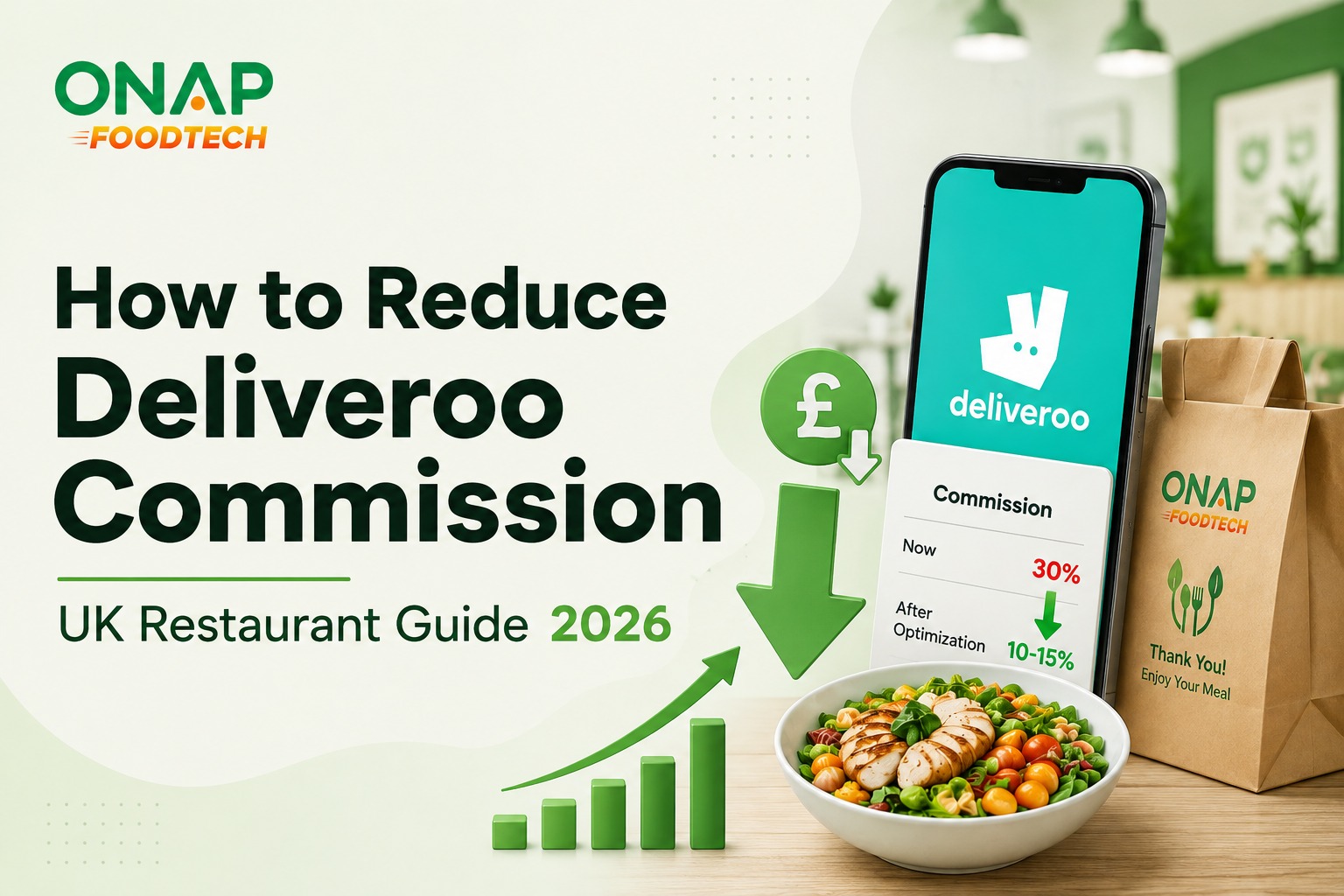
Table of Contents
- Why Deliveroo Commission Has Become a Bigger Challenge
- How Deliveroo Commission Works
- 1. Build Your Own Direct Online Ordering Channel
- 2. Encourage Repeat Customers to Order Directly
- 3. Use Loyalty Programmes Instead of Marketplace Discounts
- 4. Increase Average Order Value
- 5. Collect Customer Data You Actually Own
- 6. Automate Marketing to Bring Customers Back
- 7. Choose Technology That Supports Direct Growth
- Does It Make Sense to Leave Deliveroo Completely?
- Common Mistakes Restaurants Make
- Frequently Asked Questions
- Conclusion
The good news is that reducing Deliveroo commission does not necessarily mean leaving the platform. Many successful restaurants now treat marketplaces as customer acquisition channels while gradually encouraging repeat customers to order directly. This guide explains practical strategies UK restaurants are using in 2026 to reduce delivery commissions, improve margins, and build stronger customer relationships.
Why Deliveroo Commission Has Become a Bigger Challenge
Marketplace commissions are manageable when delivery sales represent a small share of revenue. Problems begin when platforms become the primary source of online orders. A restaurant may appear busy while still struggling to improve profitability because a substantial percentage of each order is absorbed before ingredients, labour, packaging, and overhead costs are considered.
For many operators, this creates several challenges:
- Lower profit margins
- Less control over customer relationships
- Limited access to customer data
- Dependence on platform algorithms
- Difficulty increasing profitability despite growing sales
Reducing commission costs starts with reducing dependence, not necessarily eliminating marketplace partnerships.
How Deliveroo Commission Works
Before looking at solutions, it helps to understand what you're paying for.
Deliveroo commission generally covers:
- Customer acquisition
- Marketplace visibility
- Payment processing
- Delivery logistics (depending on your agreement)
- Customer support
- Platform technology
Different restaurant contracts vary, which means two neighbouring restaurants may pay different commission rates. While negotiating your agreement is worth exploring, relying solely on lower commission rates rarely delivers the biggest long-term improvement. Growing direct orders usually has a much greater financial impact.
1. Build Your Own Direct Online Ordering Channel
The most effective way to reduce Deliveroo commission is to increase the percentage of customers ordering directly. A branded ordering website allows customers to place orders without marketplace commissions while giving your restaurant full ownership of customer information.
Direct ordering platforms also allow restaurants to:
- Keep customer contact details
- Control menu pricing
- Run promotions independently
- Create loyalty programmes
- Build long-term customer relationships
Instead of replacing Deliveroo entirely, many restaurants use it to attract first-time customers while encouraging repeat business through their own ordering platform. Solutions like ONAP FoodTech combine online ordering, restaurant websites, customer management, and marketing tools in one platform, making it easier to build a profitable direct ordering strategy.
2. Encourage Repeat Customers to Order Directly
Acquiring a new customer through Deliveroo can be worthwhile if it leads to future direct orders. Many restaurants now include subtle prompts inside takeaway packaging, such as QR codes, discount vouchers, or loyalty rewards that invite customers to place their next order through the restaurant's own website.
Effective incentives include:
- 10% off the next direct order
- Free side dishes
- Complimentary desserts
- Loyalty points
- Exclusive menu items
The goal is not to persuade customers to abandon Deliveroo immediately. Instead, give them a compelling reason to choose your website the next time they order.
3. Use Loyalty Programmes Instead of Marketplace Discounts
Marketplace promotions often reduce your profit while strengthening customer loyalty to the platform rather than your restaurant. A restaurant-owned loyalty programme creates a different outcome. Customers earn rewards directly from your business, making them more likely to return without relying on Deliveroo's promotional campaigns.
Examples include:
- Every fifth order earns a free starter
- Birthday rewards
- VIP discounts for frequent customers
- Points redeemable against future orders
Restaurant CRM software makes these programmes easier to manage because customer purchases are automatically tracked across every direct order.
4. Increase Average Order Value
Reducing commission is not always about lowering costs. Sometimes increasing revenue per order improves profitability just as effectively.
Consider a simple example.
| Order Value | 30% Commission | Revenue After Commission |
|---|---|---|
| £20 | £6 | £14 |
| £30 | £9 | £21 |
| £40 | £12 | £28 |
Although commission increases, fixed operating costs remain similar, allowing larger orders to generate stronger margins.
Restaurants commonly increase basket values by:
- Meal bundles
- Family deals
- Suggested side dishes
- Premium drinks
- Desserts
- Limited-time offers
Well-designed menus can significantly improve average order value without increasing marketing spend.
5. Collect Customer Data You Actually Own
One of the biggest disadvantages of marketplace platforms is that restaurants receive limited customer information. Without customer data, you cannot build long-term relationships or market effectively.
A direct ordering platform enables you to collect valuable information such as:
- Order history
- Favourite dishes
- Customer preferences
- Birthday details
- Visit frequency
- Average spending
This data supports personalised promotions that encourage repeat orders and improve customer retention over time. Restaurants using integrated CRM systems can automatically segment customers and send targeted campaigns instead of generic discounts to everyone.
6. Automate Marketing to Bring Customers Back
Many restaurants spend heavily acquiring customers but do little to encourage repeat visits. Automated marketing helps recover lost revenue without increasing advertising budgets.
Useful campaigns include:
- "We miss you" messages after 30 days
- Birthday offers
- Seasonal menu launches
- New product announcements
- Weekend takeaway promotions
- Exclusive offers for loyal customers
Platforms such as ONAP FoodTech combine customer data with WhatsApp, SMS, and email marketing, allowing restaurants to automate many of these campaigns instead of sending messages manually.
7. Choose Technology That Supports Direct Growth
Your technology stack plays a significant role in how dependent your business becomes on third-party delivery platforms. Many restaurants still use separate systems for online ordering, loyalty, CRM, marketing, and reporting. This creates duplicated work and fragmented customer data.
An integrated platform allows you to manage everything from one dashboard, including:
- Direct online ordering
- Customer relationship management
- Loyalty programmes
- Marketing campaigns
- Menu management
- Analytics and reporting
If you're comparing solutions, the ONAP FoodTech Features page provides an overview of how restaurants can combine these tools without relying on multiple software providers. Before investing, it's also worth reviewing the FoodTech pricing options to understand which features match your business size and growth plans.
Does It Make Sense to Leave Deliveroo Completely?
For most UK restaurants, the answer is no. Deliveroo remains an effective channel for customer acquisition and can generate valuable exposure, particularly in competitive areas.
A balanced strategy usually delivers better results:
| Deliveroo | Direct Ordering |
|---|---|
| Reaches new customers | Builds long-term customer relationships |
| Generates visibility | No marketplace commission |
| Easy customer discovery | Full ownership of customer data |
| Platform marketing support | Complete control over promotions |
| Limited customer information | CRM, loyalty, and personalised marketing |
Rather than choosing one or the other, successful operators use both strategically. Deliveroo introduces new customers, while direct ordering improves profitability over time.
Common Mistakes Restaurants Make
Restaurants trying to reduce commission often make changes that unintentionally hurt sales.
Avoid these common pitfalls:
- Removing Deliveroo without an established direct ordering channel.
- Offering no incentive for customers to order directly.
- Ignoring customer retention and focusing only on acquiring new customers.
- Running discounts that reduce profit more than commission fees.
- Failing to collect customer data from direct orders.
- Using disconnected systems that require manual administration.
Reducing commission should be part of a broader strategy focused on increasing customer lifetime value, not just cutting costs.
Frequently Asked Questions
Can I negotiate Deliveroo commission rates?
Sometimes. Larger restaurant groups or high-volume partners may be able to negotiate better commercial terms. Independent restaurants usually achieve greater financial gains by increasing direct orders rather than relying on commission negotiations alone.
Is it legal to encourage Deliveroo customers to order directly?
Restaurants should always comply with the terms of their agreement with Deliveroo. Many businesses promote their own ordering channels through packaging inserts, loyalty schemes, social media, and their websites without violating platform rules.
How much can restaurants save by increasing direct orders?
The exact savings depend on your commission agreement and order volume. Even shifting a portion of repeat customers to a direct ordering platform can significantly improve margins over time because marketplace commissions no longer apply to those sales.
What features should a direct ordering platform include?
Look for online ordering, secure payment processing, customer profiles, loyalty programmes, CRM, marketing automation, reporting, and integration with your restaurant operations. A unified platform reduces administrative work and provides a better customer experience.
Is ONAP FoodTech suitable for independent restaurants?
ONAP FoodTech is designed for restaurants that want to grow direct orders while managing online ordering, customer engagement, and marketing from one platform. It can support independent venues as well as multi-site operators looking to reduce reliance on third-party marketplaces.
Conclusion
Reducing Deliveroo commission is less about finding loopholes and more about building a business that is not dependent on a single sales channel. Marketplace platforms remain valuable for attracting new customers, but the greatest long-term profitability comes from converting those customers into loyal, direct buyers. Investing in your own ordering website, customer database, loyalty programme, and automated marketing creates an asset that grows with your restaurant. Over time, every direct order helps improve margins, strengthens customer relationships, and gives you greater control over your business.
Explore More Blogs
Discover more expert insights, software guides, and industry best practices to help your business grow with ONAP.
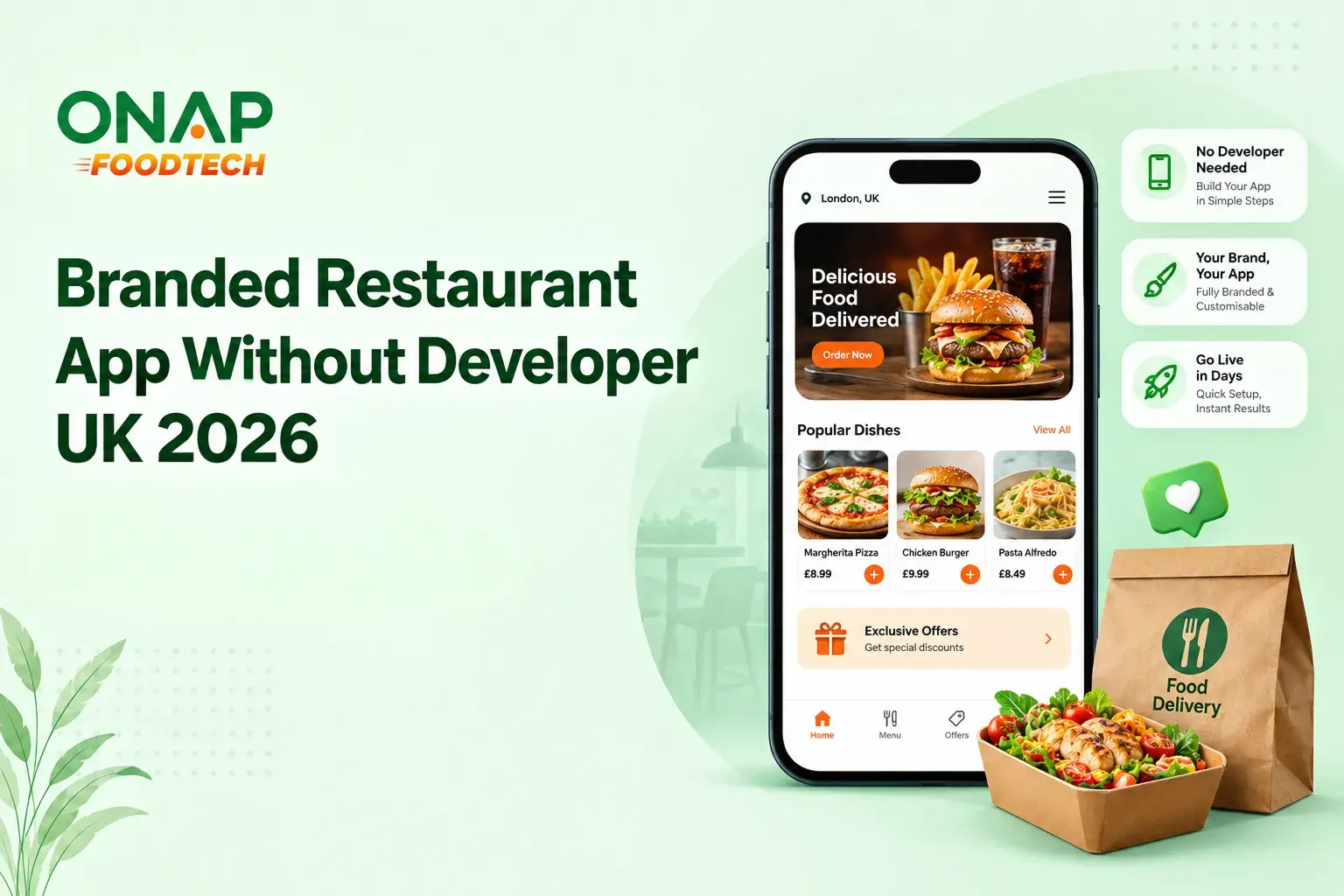
How to Launch a Branded Restaurant App Without a Developer (UK Guide 2026)
Launching a branded restaurant app no longer requires an in-house development team. This 2026 UK guide explains how restaurant owners can choose a no-code or managed app platform, connect ordering and payments, build loyalty features, publish the app, and avoid the common mistakes that make app projects expensive.
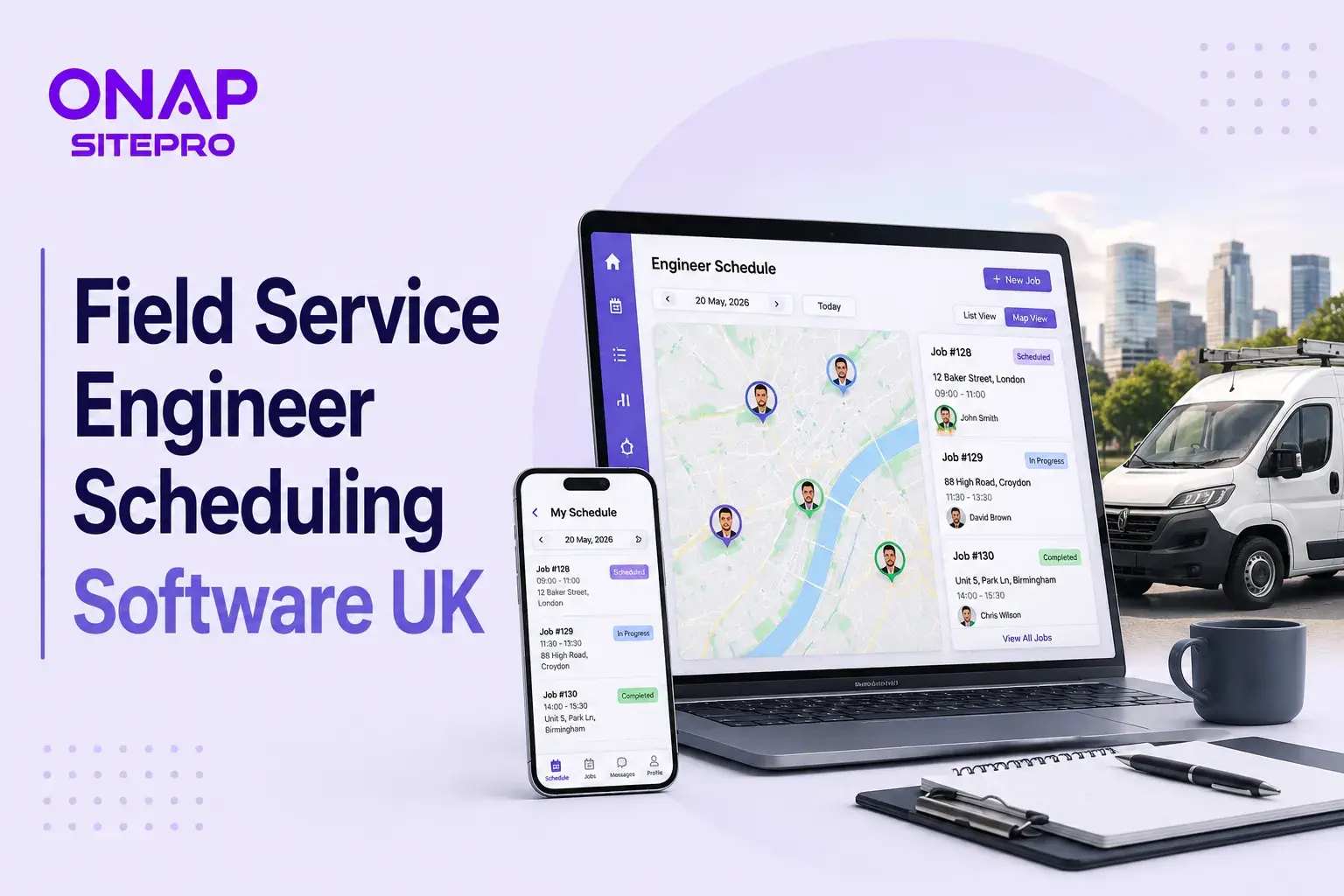
Field Service Engineer Scheduling Software UK: Free vs Paid Options Compared
Field service engineer scheduling software helps UK contractors assign jobs, manage availability, track engineers and keep customers updated. This guide compares free scheduling tools, spreadsheets and paid field service platforms, including their features, limitations, costs and suitability for growing teams.
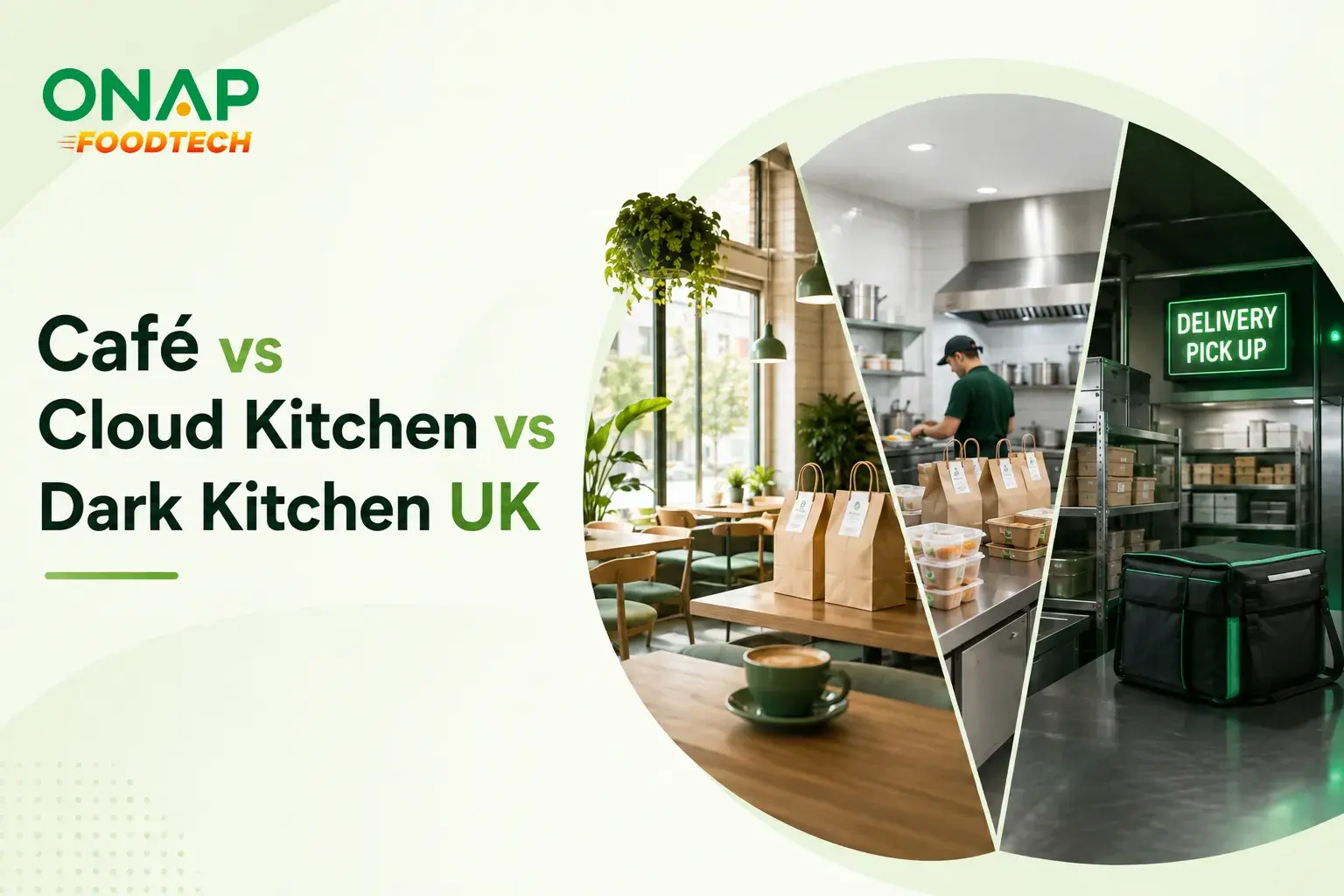
Café vs Cloud Kitchen vs Dark Kitchen: Which Model Works Best for UK Food Businesses
Cafés, cloud kitchens and dark kitchens each suit different UK food businesses. This guide compares premises, staffing, startup costs, delivery economics, customer acquisition, technology, VAT and growth potential, helping operators choose the model that fits their menu, target market and available capital.