Jobber vs ServiceM8: Which Is Better for UK Field Service Teams?
Jobber and ServiceM8 compared on scheduling, quoting, invoicing and mobile work, so UK field service businesses can see which platform actually fits how they operate.

Jobber and ServiceM8 are two of the most searched-for field service platforms among UK trade and home service businesses. Both started with a similar promise: replace paper job sheets and spreadsheets with a mobile-first scheduling and invoicing app. Years on, they've developed different strengths, and the right choice depends heavily on how your business actually operates.
This comparison looks at scheduling, job management, quoting, invoicing, mobile work, customer management and pricing, so you can see where each platform is genuinely stronger before you commit.
Quick Answer
Jobber tends to suit service businesses focused on quoting, client communication and recurring bookings, with a strong client-facing portal. ServiceM8 tends to suit trade businesses wanting fast job dispatch and simple mobile job sheets. Neither is built specifically for the UK market, which is where a UK-built platform like ONAP SitePro becomes worth comparing for growing businesses.
Scheduling and Dispatch
Jobber's scheduling is built around a visual calendar with drag-and-drop booking, strong for businesses juggling recurring appointments like cleaning, landscaping or pest control rounds. ServiceM8's dispatch is built for speed: jobs move through a simple status queue designed to get a job sheet onto an engineer's phone as fast as possible, which suits reactive trade call-outs well.
If your work is mostly recurring and appointment-based, Jobber's calendar view is the more natural fit. If your work is mostly reactive call-outs needing fast dispatch, ServiceM8's queue-based approach tends to work better.
Quoting and Invoicing
Jobber includes a more developed quoting workflow, with the ability to send quotes clients can approve online and convert directly into a job. ServiceM8 covers quoting and invoicing adequately but with less emphasis on the client-approval step. Both integrate with Xero and QuickBooks for accounting.
Mobile Work
Both platforms are mobile-first, and both are genuinely usable by engineers in the field without much training. ServiceM8's app leans slightly simpler and faster for logging a completed job; Jobber's app carries more detail for client communication and photo documentation.
Customer Management
Jobber's client hub gives customers a self-service portal to view quotes, invoices and book appointments. ServiceM8 keeps customer records simpler, focused on job and contact history rather than a client-facing portal.
Pricing
Both charge per user, and costs rise quickly as a team grows past a handful of engineers. Neither publishes UK-specific pricing in GBP by default, which matters for UK businesses budgeting in pounds rather than converted dollar pricing.
Where ONAP SitePro Fits
Jobber and ServiceM8 both work well for the use cases they were designed around. Where UK field service and facilities management businesses often run into limits with either is contract management, multi-site coordination and UK-specific pricing and support.
| Area | Jobber | ServiceM8 | ONAP SitePro |
|---|---|---|---|
| Best suited for | Recurring appointment-based services | Fast reactive trade dispatch | UK field service & facilities management |
| Contract management | Limited | Limited | Built-in |
| Pricing currency | USD-based | USD-based | GBP, from £99/month |
| Support | US hours primarily | Australian hours primarily | UK-based support |
ONAP SitePro was built specifically for UK businesses: work order management, smart scheduling, workforce tracking, contract management and invoicing, priced in GBP with UK support. Full details are available on the ONAP SitePro product page.
Frequently Asked Questions
Is Jobber or ServiceM8 better for UK businesses?
Neither is built specifically for the UK market. Jobber suits appointment-based recurring services well; ServiceM8 suits fast reactive trade dispatch. UK businesses wanting GBP pricing and UK-based support may find a UK-built platform like ONAP SitePro a closer fit.
Does Jobber or ServiceM8 handle recurring maintenance contracts better?
Both offer basic recurring job scheduling, but neither is built primarily around contract management the way a dedicated facilities management platform is.
Can I switch from Jobber or ServiceM8 to another platform without losing my data?
Most platforms, including ONAP SitePro, support importing customer and job history during onboarding. Confirm the exact export format from your current platform before switching.
Which is cheaper, Jobber or ServiceM8?
Pricing for both scales per user and can become expensive as a team grows. Get a quote at your actual team size rather than comparing advertised starting prices.
Conclusion
Jobber and ServiceM8 serve different kinds of field service businesses well: Jobber for recurring, client-facing service work, ServiceM8 for fast-moving reactive trade jobs. Neither was built with UK pricing, UK support or UK contract-heavy facilities management as the starting point. Businesses running UK field service or facilities operations at scale may find it worth comparing both against ONAP SitePro before deciding.
Explore More Blogs
Discover more expert insights, software guides, and industry best practices to help your business grow with ONAP.
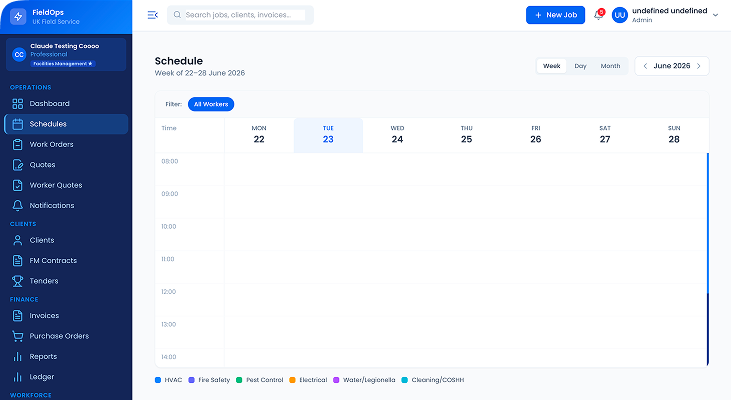
ServiceM8 Alternatives UK: What to Check Before Switching
Thinking about switching from ServiceM8? Here's what to check before you do, and how the leading UK field service platforms compare once a business outgrows a simple job app.

How to Launch a Branded Restaurant App Without a Developer (UK Guide 2026)
Launching a branded restaurant app no longer requires an in-house development team. This 2026 UK guide explains how restaurant owners can choose a no-code or managed app platform, connect ordering and payments, build loyalty features, publish the app, and avoid the common mistakes that make app projects expensive.
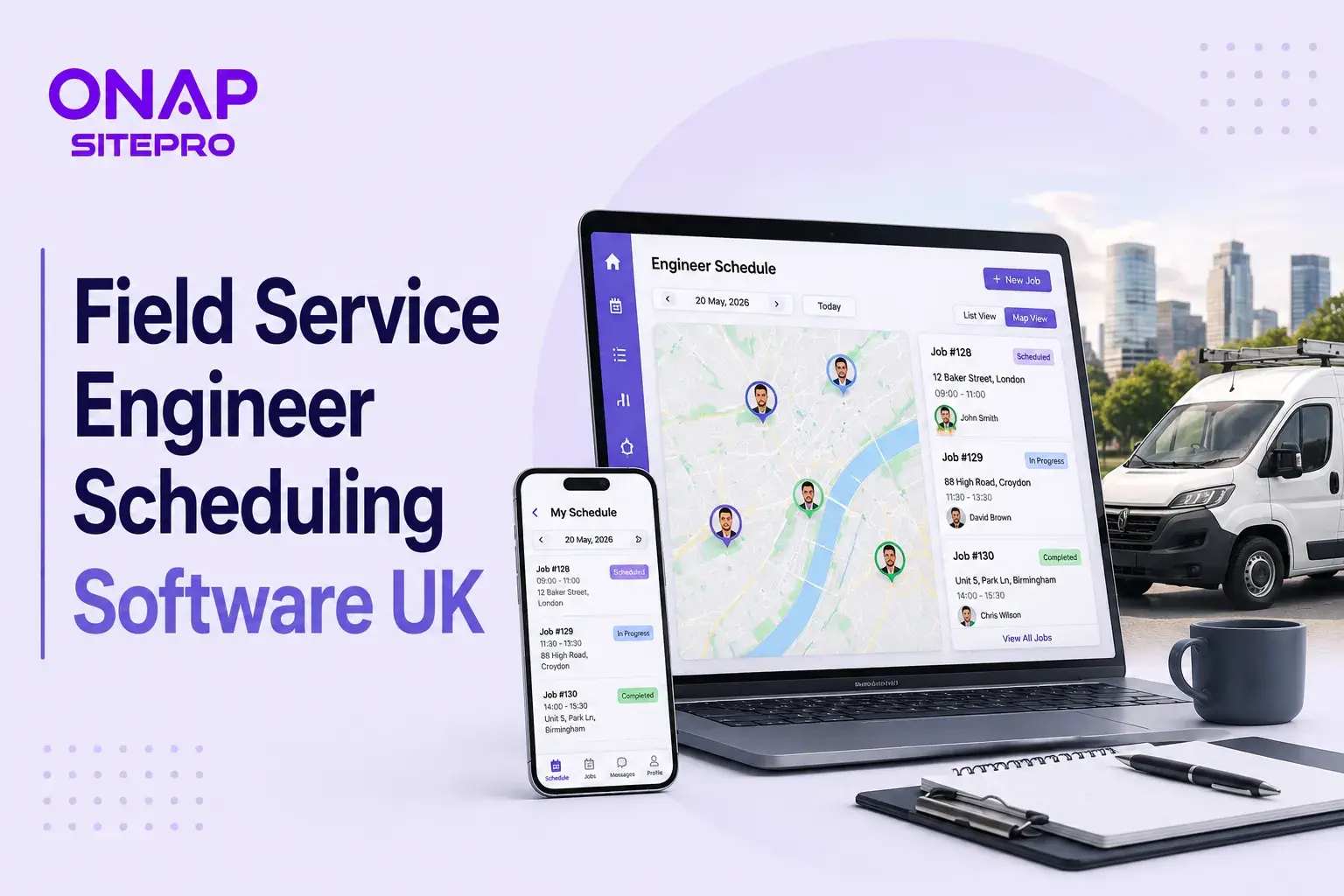
Field Service Engineer Scheduling Software UK: Free vs Paid Options Compared
Field service engineer scheduling software helps UK contractors assign jobs, manage availability, track engineers and keep customers updated. This guide compares free scheduling tools, spreadsheets and paid field service platforms, including their features, limitations, costs and suitability for growing teams.